Skip permits and council fines for rubbish removal Knightsbridge
Posted on 30/07/2026
Skip permits and council fines for rubbish removal Knightsbridge: how to stay legal, avoid surprise costs, and clear waste the smart way
If you are arranging a clear-out in Knightsbridge, the last thing you want is a knock-on cost from the council, an awkward street obstruction, or a skip that sits there longer than planned. Skip permits and council fines for rubbish removal Knightsbridge are one of those topics people only think about after something has already gone wrong. And honestly, that is usually when the bill gets unpleasant.
This guide breaks the whole thing down in plain English: when a skip permit is needed, how council fines can happen, what practical alternatives exist, and how to keep your rubbish removal legal, tidy, and efficient in a busy part of London where space is at a premium. If you are managing a home refurb, a garden tidy-up, or a full property clearance, it will help you make a better call before you book anything.
One thing to keep in mind: Knightsbridge is not a forgiving place for guesswork. Narrow streets, high foot traffic, limited parking, and strict local enforcement mean a small oversight can snowball. The good news? With the right planning, you can avoid most of it.
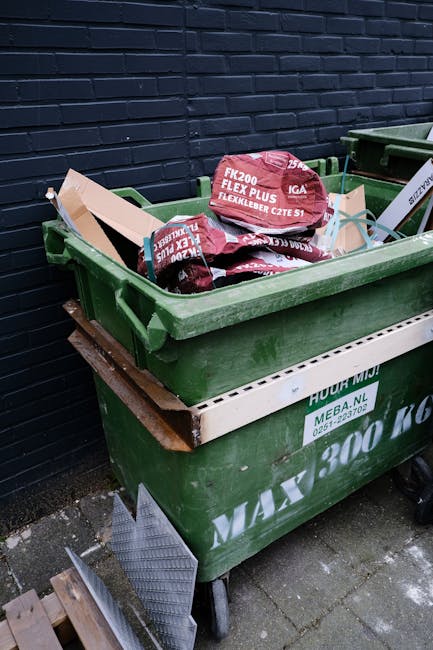
Why skip permits and council fines for rubbish removal Knightsbridge matters
In a quiet suburb, a skip parked on the road can sometimes feel like a minor inconvenience. In Knightsbridge, it is a different story. The area is dense, prestigious, heavily used, and closely managed. A skip on the public highway usually needs permission, and if that permission is missing, expired, or ignored, the council can step in. That can mean penalties, removal costs, delays, and a lot of unnecessary stress.
The issue is not only about paperwork. It is about public safety and access. A skip can block parking bays, narrow the road, disrupt deliveries, or create a hazard for pedestrians and cyclists. In an area where estate agents, residents, builders, and hospitality venues all compete for the same limited kerb space, councils take these things seriously. That is why people search for practical guidance before they book rubbish removal or a skip in Knightsbridge.
It also matters financially. A cheap skip quote can stop being cheap once a permit, extended hire, restricted placement, or enforcement action gets added on. If you are comparing options, the total cost is the number to watch, not just the headline price. To be fair, that is where many people get caught out.
If you want a broader sense of local waste handling expectations, it helps to read up on Knightsbridge council rules for domestic rubbish disposal and the practical differences between waste streams. You may also find the service options on the services overview useful when deciding whether a skip is even the best fit.
How skip permits and council fines for rubbish removal Knightsbridge works
Let's keep this straightforward. A skip permit is permission to place a skip on public land, usually the road. If the skip stays entirely within private property, such as a driveway or forecourt, a permit may not be required. The exact position matters more than people think. A skip that is half on private land and half on the road is still a problem. There is no "sort of on the pavement" loophole, however tempting that sounds on a rainy Tuesday morning.
When a permit is needed, the skip hire provider normally handles the application process, though the responsibility for arranging it should always be confirmed in advance. Permits usually have conditions: where the skip can go, whether lights or safety markings are required, how long it can remain, and what type of skip is allowed. If you overstay the permit or place the skip incorrectly, enforcement action can follow.
Council fines for rubbish removal in this context tend to arise from a few common situations:
- placing a skip on the road without permission
- leaving a skip beyond the approved period
- blocking access or causing a safety issue
- placing waste on public land without correct controls
- dumping rubbish outside agreed collection times or locations
There is also a practical distinction between skip hire and on-demand rubbish clearance. A skip is for holding waste over time. A clearance team collects waste directly, loads it, and takes it away. If you need the rubbish gone the same day, or if the property has no usable frontage, a collection service can be easier and less exposed to permit-related problems. In that sense, the choice is not just about cost. It is about control.
For example, a flat near busy retail frontage may not have any realistic space for a skip. A fast collection can be less disruptive and may be easier to coordinate around building access. If you are dealing with bulky waste, you might also want to look at common problems with large item rubbish collection Knightsbridge, especially if furniture or appliances are involved.
Key benefits and practical advantages
Getting the permit and waste plan right gives you more than compliance. It gives you breathing room. And in Knightsbridge, that counts for a lot.
- Fewer unexpected costs: You avoid the nasty surprise of enforcement action, extra parking pressure, or permit extension fees.
- Less disruption: A properly planned collection keeps pavements, entrances, and resident access clearer.
- Better safety: Waste is handled with fewer trip hazards and less clutter around the property.
- Cleaner timelines: You know when waste goes, rather than waiting for a skip to fill and linger.
- More suitable for tight spaces: In dense parts of SW1, a collection truck can often be more practical than a roadside skip.
- Better for mixed clear-outs: If you have furniture, bagged waste, and odd bits of builders' debris, a direct collection can be simpler.
There is also a quieter benefit: peace of mind. No one really wants to spend an evening wondering whether a skip was positioned correctly or whether a neighbour complained. Once the waste plan is sorted, you can get on with the actual job. That sounds obvious, but when you are in the middle of a clearance, obvious things become very attractive.
For homeowners preparing to move or sell, keeping the exterior and access routes tidy can also support a smoother presentation. That is one reason some readers pair waste planning with articles like Knightsbridge selling tips or essential tips for buying Knightsbridge property, especially when a property refresh is part of the larger plan.
Who this is for and when it makes sense
This topic matters to more people than you might expect. A skip permit is not just a builder's issue. It comes up in everyday domestic clear-outs too.
- Homeowners doing renovations, decluttering, or major spring cleaning
- Landlords clearing a flat between tenancies
- Letting agents dealing with abandoned items or bulky waste
- Contractors and tradespeople handling renovation debris
- Office managers overseeing furniture disposal or archive clear-outs
- Gardeners or property managers dealing with green waste and outdoor maintenance debris
It makes sense to think about permits early if you are working from a property without much off-street space. It also makes sense if the area outside your building is already busy, which, around Knightsbridge, is often the case. Streets near major shopping routes, residential mansion blocks, and mixed-use properties can be awkward for a skip delivery vehicle. A skip may still be possible, but the planning needs to be more careful than people expect.
Sometimes the better question is not "Can I get a skip?" but "Should I?" For small to medium volumes, a collection service can reduce hassle and remove the permit issue altogether. If you need a more direct route, rubbish collection in Knightsbridge is often the more flexible option.
Step-by-step guidance
Here is the practical version. If you want to avoid mistakes, work through it in this order.
- Check where the waste will actually sit. Private land is different from public highway space. Measure properly. Do not eyeball it from the doorway and hope for the best.
- Identify the type of waste. Domestic rubbish, garden waste, furniture, rubble, and builders' debris may all need different handling. Mixed waste can affect the best disposal method.
- Decide whether a skip is needed at all. If the waste will be loaded and removed in one visit, a skip may be unnecessary. If the work will stretch over days, it may still be useful.
- Ask who is responsible for permits. Never assume the provider has handled it unless that is clearly confirmed. This one catches people out.
- Check timing and access restrictions. Busy roads, event days, controlled parking zones, and narrow loading windows can all affect the plan.
- Get a clear quote. Make sure you understand whether permit charges, labour, loading time, and disposal are included.
- Book in a realistic time window. Don't leave it to the last minute if the site is awkward or the waste is heavy.
- Keep the waste ready. Sorted and accessible waste speeds things up and makes the job safer.
- Inspect once complete. Check that the area is left tidy and that nothing has been missed around the edges, under furniture, or in plant pots.
If you are dealing with a property that has a lot of mixed rubbish, the right service can save you a half-day of lifting, re-packing, and muttering under your breath. If you need speed, the option described in same day rubbish removal Brompton Road Knightsbridge is worth understanding. And if you are already behind schedule, urgent rubbish removal Knightsbridge same day options can help narrow your choices.
Expert tips for better results
These are the little details that make the difference between a smooth clear-out and a messy one.
First, separate waste by type before you book. Clean timber, rubble, green waste, furniture, and general household rubbish do not all behave the same way from a cost and handling point of view. When waste is mixed carelessly, the cheapest option can become the most expensive.
Second, think about access like a parking problem, not just a waste problem. Knightsbridge access is often the real bottleneck. A clear path to the property, a sensible loading point, and a realistic schedule matter more than many people realise.
Third, ask about time on site. If the team needs to carry items down several flights of stairs or through a tight mews entrance, timing can shift. Better to know that upfront than discover it mid-job when the clock is already ticking.
Fourth, avoid overfilling a skip. People do this all the time. It looks harmless enough, but overfilling creates a safety issue and can lead to collection delays or extra charges. The lid or fill line is there for a reason. Annoying, maybe. Still there for a reason.
Fifth, keep photos of the site before and after. Not because you expect a problem, but because small disputes are easier to resolve when you have a record. This is especially useful for landlords, managing agents, and contractors.
Sixth, plan around local traffic patterns. Early mornings can be calmer. Midday near busy commercial stretches can be a different story altogether. If the street is occupied by delivery vans and loading activity, the whole job takes longer. That is just reality.
For those trying to keep costs under control, you may also want to review how to avoid hidden rubbish removal charges in Knightsbridge before agreeing to anything in writing.

Common mistakes to avoid
Most problems come from assumptions. Not bad intentions. Just assumptions.
- Assuming a permit is not needed: If the skip touches public land, that can be enough to trigger the requirement.
- Leaving a skip longer than agreed: Permits and hire periods are time-bound. Staying put for "just one more day" can become an issue.
- Booking before checking access: A skip truck cannot magic itself through tight streets or blocked entrances.
- Choosing the wrong service for the waste type: A small skip is not always the best answer for bulky furniture or urgent clear-outs.
- Ignoring neighbour and resident impact: In multi-occupancy buildings, one badly placed skip can create a chain of complaints.
- Not reading the quote closely: If you are not sure what is included, ask. Once. Then ask again if needed.
- Leaving hazardous or restricted waste mixed in: This can lead to refusal, extra charges, or more complicated disposal requirements.
There is a simple theme here: the quickest option at the start is not always the easiest option at the end. Funny how that works.
Tools, resources and recommendations
You do not need special software or complicated planning tools for this. But a few practical resources make life easier.
- A tape measure: Especially if you are checking whether a skip can sit on private land.
- Photos of the access route: Useful when speaking to a provider about stairs, gates, alleyways, or front garden space.
- A simple waste inventory: Write down what you are throwing away before you request a quote.
- A calendar with building access notes: Handy if you share space with neighbours or have porter restrictions.
- A clear line of communication with the provider: Confirm timings, loading arrangements, and responsibility for permits.
If you are unsure what level of service you need, browsing the broader pages on waste removal in Knightsbridge, house clearance Knightsbridge, and office clearance Knightsbridge can help you compare the practical options without guessing.
For customers who care about recycling and responsible disposal, the page on recycling and sustainability is also a useful companion read. It is a small detail, but it matters. No one wants a tidy driveway and a messy conscience.
Law, compliance, standards, and best practice
Without getting too legalistic, the safest approach is to treat roadside skips and waste placement as a controlled activity, not a casual convenience. In the UK, waste carriers and disposal arrangements should be handled responsibly, and local highway rules are taken seriously. If waste is placed on public land, permission is commonly required. If waste is left in a way that obstructs access or creates a hazard, enforcement may follow.
Best practice usually looks like this:
- confirm whether the waste will remain on private or public land
- get permit responsibility agreed before booking
- keep waste contained and secure
- avoid overflowing containers
- separate restricted or specialist waste where required
- use a provider that can explain its process clearly
It is also sensible to review the provider's terms, insurance, and payment process if you are booking a larger job. Those pages are not glamorous, admittedly, but they help you understand what happens if access changes or the schedule shifts. The links to terms and conditions, insurance and safety, and payment and security are worth checking when you are making a decision.
If you are comparing providers, the quality of communication matters almost as much as the price. A good operator should be able to explain the difference between a permit-led skip job and a direct collection, and should not make you feel rushed. That is often the real test.
Options, methods, or comparison table
Sometimes the easiest way to decide is to compare the main approaches side by side.
| Option | Best for | Permit risk | Main advantage | Main drawback |
|---|---|---|---|---|
| Roadside skip | Longer projects with steady waste output | Higher if on public land | Convenient for ongoing work | May need a permit and space |
| Skip on private land | Homes with driveway or forecourt space | Lower | Less council paperwork | Needs adequate access and room |
| Man and van clearance | Fast domestic or office clear-outs | Very low | Waste removed immediately | Less useful if waste will accumulate over days |
| Specialist bulky waste collection | Furniture, appliances, awkward items | Very low | Handles heavy or oversized items | May not suit large mixed loads |
For many Knightsbridge properties, a direct collection is simply easier. For others, especially larger refurbishments, a skip still makes sense. The right answer depends on space, timing, and how much waste you expect. There is no universal winner, despite what marketing copy may imply.
Case study or real-world example
Consider a typical Knightsbridge flat renovation. The homeowner has a kitchen rip-out, old cabinets, packaging, and a few bulky items to remove. At first, a skip sounds like the obvious choice. But the building has no private drive, the street is busy in the morning, and the available kerb space is limited because of resident parking pressure.
Once they look properly at access, the skip starts to look less attractive. A permit could be needed, the placement would be awkward, and the truck arrival time would need careful coordination. Instead, they choose a scheduled rubbish collection with loading included. The team arrives, loads the waste directly, and leaves the entrance clear. Less waiting. Less risk. Less back-and-forth with the council.
Now, if the same homeowner had a longer refurbishment with daily debris generation, a skip on private land might have been better. The point is not that one method is always right. It is that the method should match the property, the street, and the scale of the job.
That sort of judgement is where local experience really helps. In a place like Knightsbridge, the "best" option is often the one that fits the building as much as the waste.
Practical checklist
Use this before you book anything.
- Have I confirmed whether the waste will sit on private or public land?
- Do I know whether a skip permit is needed?
- Have I checked access width, height clearance, and parking restrictions?
- Do I know what waste types are being removed?
- Have I compared skip hire with direct collection?
- Have I asked who is responsible for permits and timing?
- Does the quote clearly explain labour, disposal, and any extra charges?
- Am I clear on how quickly the waste needs to go?
- Have I thought about neighbours, residents, or building management?
- Have I reviewed the provider's safety and insurance information?
If you can tick most of those off, you are in good shape. If several are still unclear, pause and sort them out first. It is a lot cheaper to ask questions now than to fix problems later.
Conclusion
Skip permits and council fines for rubbish removal Knightsbridge are not something to leave to chance. In a busy, high-value area with tight access and limited kerb space, a small oversight can create avoidable cost and delay. The safest route is usually the simplest one: check the land type, confirm permit responsibility, compare disposal methods, and choose the option that fits the property rather than forcing the property to fit the option.
Whether you are clearing a home, office, or renovation site, the goal is the same: keep the job legal, tidy, and efficient. That might sound unglamorous, but it is what keeps the whole process calm. And in Knightsbridge, calm is worth protecting.
If you are still weighing up the best route for your waste, take a moment to review the available service options and choose the one that avoids unnecessary hassle from the start.
Get a free quote today and see how much you can save.

 Tipper Van - Rubbish Clearance and Rubbish Removal Prices in Knightsbridge, SW1
 Luton Van - Rubbish Clearance and Rubbish Removal Prices in Knightsbridge, SW1